

Jewelry has always been more than just an accessory. It reflects personality, status, traditions, and emotions. From gold and diamonds to shiny artificial pieces, jewelry tells a story. In today’s fashion world, one major debate is whether to invest in real jewelry or embrace the trend of artificial jewelry. Both have their own charm, purpose, and limitations. To help you decide, let’s explore the pros and cons of artificial jewelry and real jewelry.
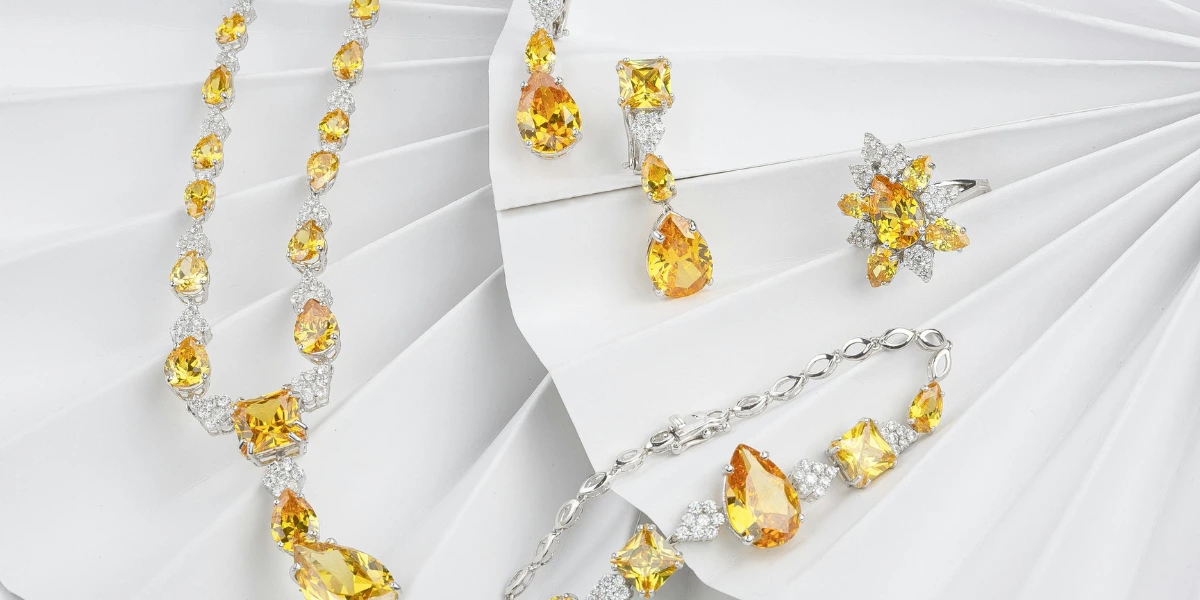
What is Real Jewelry?
Real jewelry refers to ornaments made with precious metals like gold, silver, and platinum, along with gemstones such as diamonds, rubies, emeralds, and sapphires. These items are durable and valuable, often considered family heirlooms. For centuries, real jewelry has been a symbol of wealth and status, especially in cultures where gold is tied to traditions and financial security.
What is Artificial Jewelry?
Artificial jewelry, also known as fashion jewelry, is made with non-precious metals like brass, copper, and alloys, along with synthetic or imitation stones. These pieces may be plated with gold or silver to look like real jewelry. Today, artificial jewelry has become a key fashion statement. It is affordable, versatile, and accessible to everyone.
Pros and Cons of Real Jewelry
Pros:
- High Value and Investment
Real jewelry retains or sometimes increases its value over time. Gold, diamonds, and platinum are considered financial assets, not just accessories. - Durability
Real metals and gemstones are much more durable than artificial ones. A gold necklace or diamond ring can last for generations with proper care. - Symbol of Status and Tradition
Owning real jewelry is often seen as a sign of status. In many cultures, gold and diamonds feature in weddings, festivals, and inheritance practices. - Emotional Value
Real jewelry often carries sentimental worth. An heirloom passed down through generations is priceless, regardless of its material value. - Hypoallergenic Options
Precious metals like platinum and high-quality gold are less likely to cause skin irritation compared to cheap alloys.
Cons:
- High Cost
Real jewelry is expensive, making it less accessible for everyday use, especially for younger people who prefer changing trends quickly. - Safety Concerns
Wearing expensive jewelry can draw unwanted attention and pose safety risks, especially in public or while traveling. - Maintenance
Real jewelry requires polishing and careful storage to keep its shine and luster. - Limited Variety for Everyday Fashion
Because buying real jewelry involves a significant investment, people often own only a few pieces, which limits their styling options. - Not Always Trend-Friendly
Trends change quickly, but real jewelry often leans toward timeless, traditional designs rather than trendy, modern experiments.
Pros and Cons of Artificial Jewelry
Pros:
- Affordable and Budget-Friendly
The main advantage of artificial jewelry is its affordability. You can purchase trendy designs without straining your finances. - Endless Variety
Artificial jewelry comes in countless styles, colors, and designs, allowing fashion lovers to try different looks every day. - Lightweight and Comfortable
Unlike heavy gold necklaces or diamond earrings, artificial jewelry is often lightweight, making it more comfortable to wear for long periods. - Safe to Wear Publicly
Since it doesn’t carry much monetary value, you can wear artificial jewelry anywhere without worrying about theft or loss. - Trend-Friendly
Fashion jewelry is designed to keep up with changing trends. You can find chic, modern, or experimental designs for every season.
Cons:
- Short Lifespan
Artificial jewelry tends to lose its shine or plating over time. Moisture, perfumes, and sweat can tarnish it quickly. - No Investment Value
Unlike gold or diamonds, artificial jewelry has no resale or financial worth. - Skin Reactions
Cheap alloys and low-quality plating can cause allergies, rashes, or skin irritation for some people. - Environmental Concerns
Many artificial pieces are mass-produced with non-recyclable materials, which adds to waste and pollution. - Low Sentimental Value
Artificial jewelry is often seen as replaceable, so it doesn’t hold the same emotional or generational value as real jewelry.
Which One Should You Choose?
The choice between artificial and real jewelry depends on your needs, budget, and lifestyle.
If you are looking for long-term investment, durability, and tradition, then real jewelry is your best choice. It’s not just an accessory but also an asset. A gold bangle or diamond ring will hold value for years and can be passed down as a family heirloom.
If you are a fashion enthusiast who likes to keep up with the latest trends, change your look often, and try bold styles, then artificial jewelry is ideal for you. It is cost-effective, versatile, and safe for daily wear.
Many people today actually have a mix of both—owning a few timeless real pieces for special occasions and many artificial jewelry items for everyday use. This balance allows you to enjoy the best of both worlds.
Jewelry, whether real or artificial, is ultimately about self-expression and confidence. Real jewelry is timeless and carries value beyond fashion. Artificial jewelry, on the other hand, celebrates creativity, accessibility, and the joy of styling without limits.
So, the next time you consider buying a shiny set of artificial jewelry or saving for a real piece, remember—it’s not about choosing one over the other. It’s about selecting what makes you feel beautiful, confident, and true to your style.